EA News and Activities
EA and AMITA Partner with the Ministry of Industry to Advance Battery Recycling Technology Transforming Waste into Raw Materials to Lay the Foundation for Thailand’s Clean Energy and Circular Economy
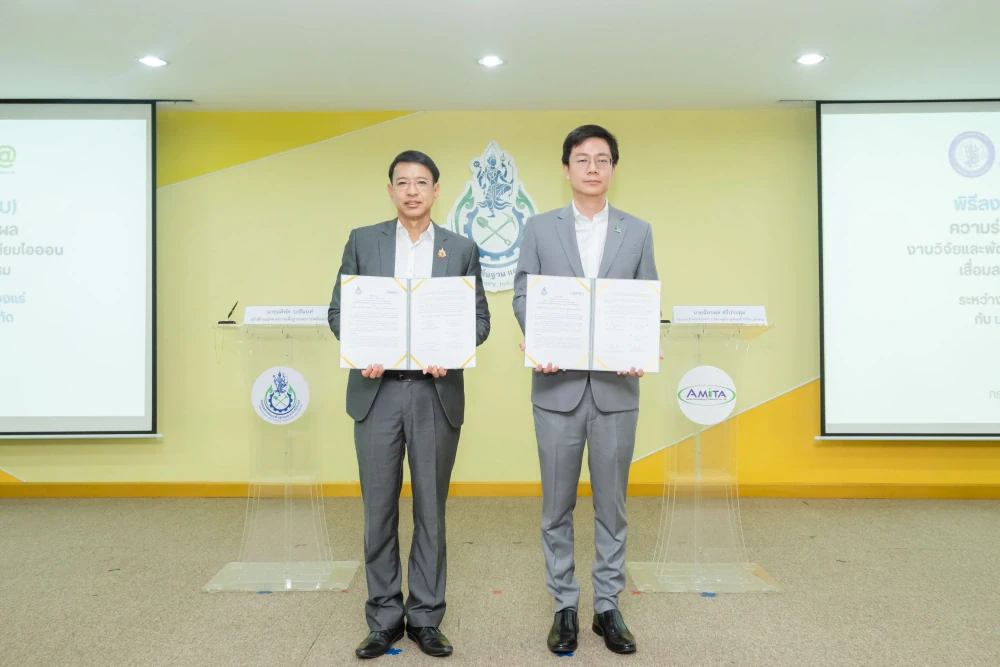
BANGKOK - July 21, 2026 - Amita Technology (Thailand) Company Limited (AMITA), a subsidiary of Energy Absolute Public Company Limited (EA), has signed a Memorandum of Understanding (MoU) with the Department of Primary Industries and Mines (DPIM) under the Ministry of Industry. This strategic partnership aims to advance recycling technologies for end-of-life lithium-ion batteries, scaling them for commercial industrial applications.
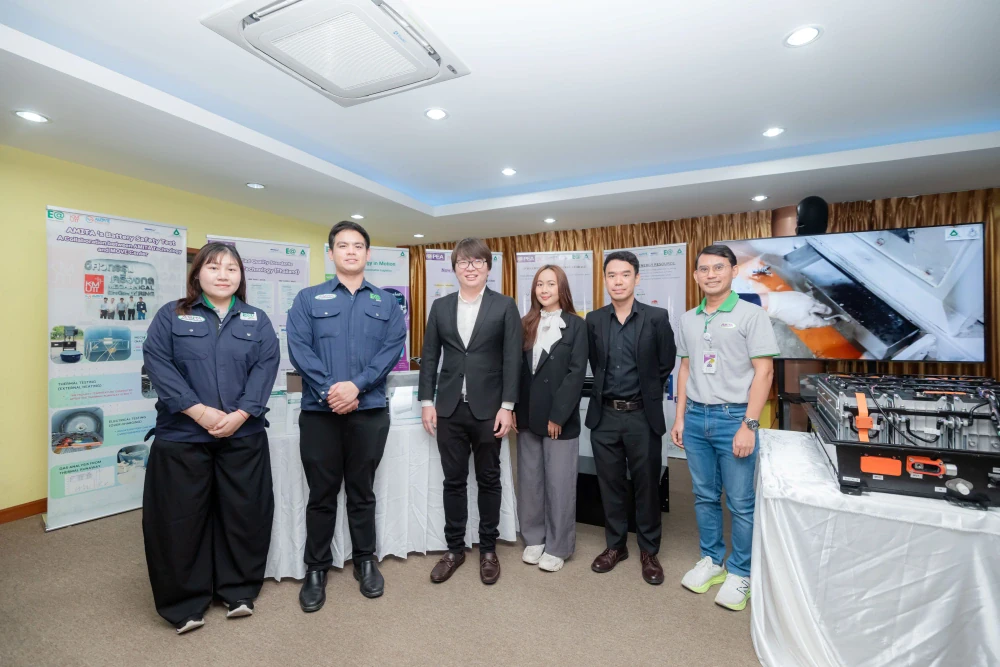
The signing ceremony was honored by the presence of Mr. Aditad Vasinonta, Director-General of the DPIM, and Mr. Kittiphan Bangyikhan, Director of the Innovation in Raw Materials and Primary Industries Division, alongside key executives and representatives from both organizations.
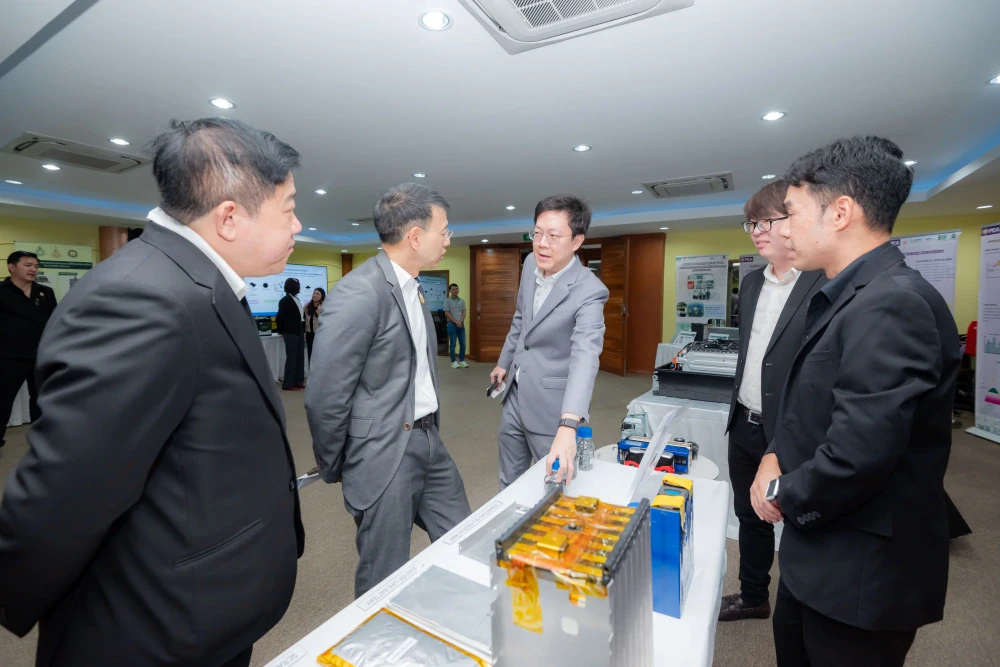
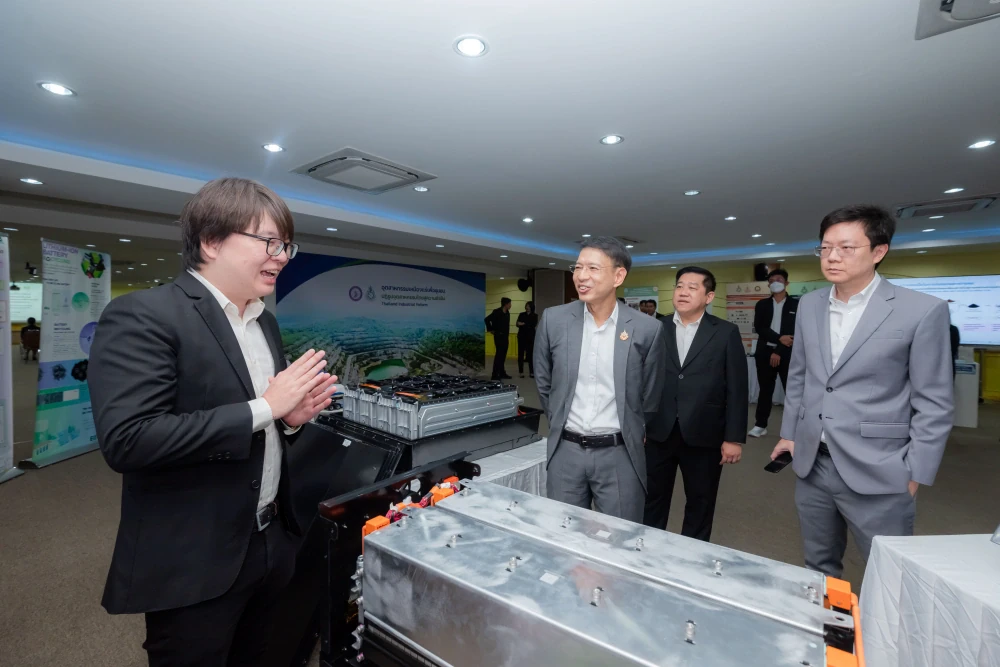
This collaboration integrates the DPIM’s expertise in material sorting and recycling with AMITA’s extensive background in battery R&D and manufacturing. By processing end-of-life batteries and manufacturing byproducts, the initiative seeks to extract critical precursors for trial in the production of new batteries. Furthermore, the MoU encompasses technological feasibility studies, workforce development, and the formulation of policy proposals to establish a comprehensive, nationwide battery recycling ecosystem.
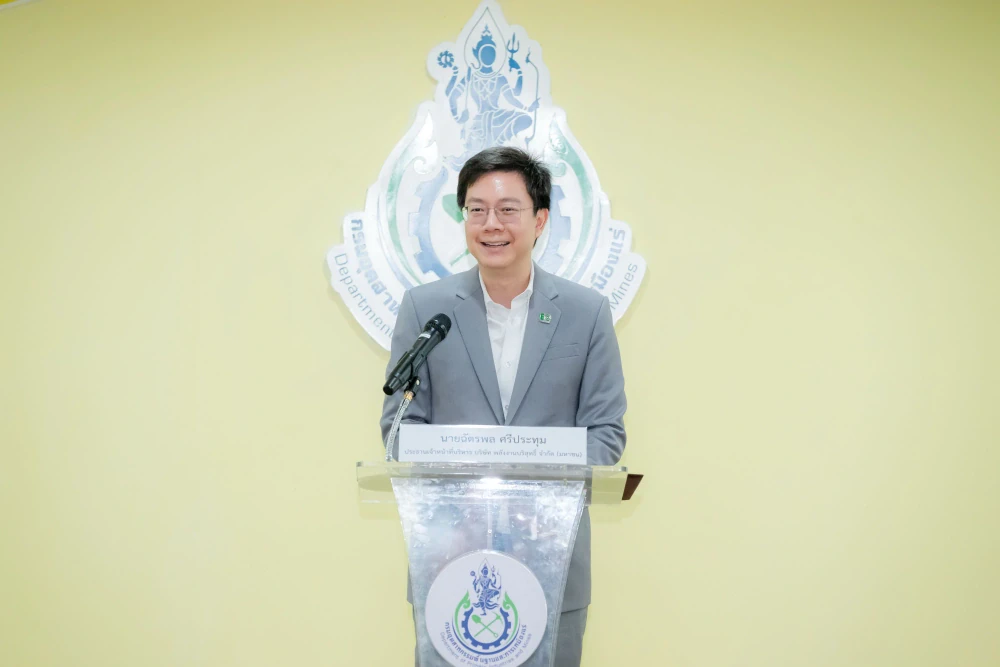
Mr. Chatrapon Sripratum, Chief Executive Officer of Energy Absolute Public Company Limited (EA), stated:
"This collaboration goes beyond merely managing end-of-life batteries—it is about transforming waste back into valuable resources, thereby building critical know-how and ensuring raw material security for Thailand. As the electric vehicle and energy storage sectors rapidly expand, the volume of depleted batteries will inevitably rise. Without a supportive infrastructure in place today, this could escalate into significant environmental, safety, and economic challenges for our country in the future."
End-of-life lithium-ion batteries are not ordinary waste. Improper storage and disposal can result in thermal runaway, short circuits, or fire hazards. However, these batteries contain critical minerals that can be safely recovered and repurposed. Therefore, an effective recycling system will mitigate waste volumes, minimize resource depletion, and significantly reduce Thailand’s reliance on imported raw materials.
This partnership aligns seamlessly with EA’s vision of developing a fully integrated clean energy ecosystem—encompassing renewable energy, batteries, electric vehicles, and energy infrastructure—while actively reducing greenhouse gas emissions and managing resources throughout their entire life cycle.
Over the years, EA has consistently played a leading role in international greenhouse gas emission reduction projects and carbon credit generation through its EV initiatives. Extending this commitment to battery recycling reflects the company's core philosophy: the transition to clean energy must not end with carbon reduction during the usage phase, but must holistically cover production, resource optimization, and end-of-life product management.
"EA believes that leadership in the clean energy sector is measured not only by business scale, but by the ability to generate tangible benefits for the nation, minimize environmental impact, and lay a robust foundation for the next generation," Mr. Chatrapon added. "AMITA possesses the talent, technology, manufacturing capacity, and readiness to translate these research findings into concrete, scalable results."
Together, EA and AMITA are confident that bridging public and private sector capabilities will successfully propel research into commercial reality. This synergy will cultivate domestic expertise and establish a solid, secure, and sustainable foundation for Thailand's battery industry under the principles of the circular economy.